The WooCommerce theme you pick can dramatically influence how well your product configurator functions, how fast pages load, and whether customers complete their builds and checkout.
In this article, we dive into some beautiful WooCommerce themes that pair exceptionally well with configurator plugins like WCB configurator builder. We will cover performance, flexibility, design options, and trade-offs.
Why a theme matters for product configurators
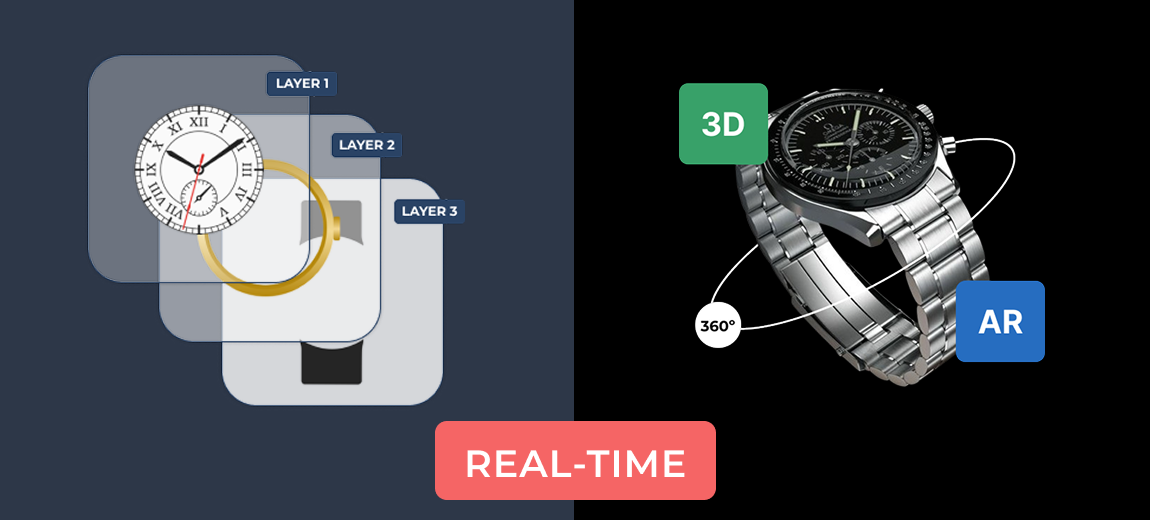
Product configurators transform the way customers interact with your store. They allow your customers to make decisions with real-time updates, such as switching colors, rendering images, viewing price updates, or previewing their custom designs. These interactive features place additional demands on your site’s CSS, JavaScript, and server resources.
A well-chosen theme ensures that dynamic configurator elements load smoothly and responsively, the site maintains fast performance even under complex builds, and layouts support multi-step or layer-based configurators.
A cohesive design ensures the product configurator feels like an integrated part of your store, rather than a clunky add-on. This creates a polished, professional experience for customers.
What makes a WooCommerce theme configurator-friendly?
Before selecting a theme, look for these qualities:
- Performance & speed
Configurators often rely on many assets (images, scripts), so a lightweight, optimized theme is crucial. - WooCommerce integration
Deep compatibility ensures configurator options (like custom attributes or swatches) integrate seamlessly. - Layout flexibility
Themes should support various layouts: sidebars, step-by-step flows, tabbed interfaces, or full-width canvases. - Builder compatibility
If you use Elementor, WPBakery, or Gutenberg, your theme must integrate smoothly to build configurator pages visually. - Asset optimization
Lazy loading for images, conditional CSS/JS loading, and resource efficiency are essential. - Scalability
Your theme should remain stable and fast as your catalog of configurable products grows.
Top configurator-ready WooCommerce themes

Astra
Astra is lightweight, fast, and integrates well with WooCommerce. Its minimal footprint keeps configurator pages responsive, and it works with Elementor, Beaver Builder, and Gutenberg. Astra Pro offers WooCommerce-specific tools and templates, enhancing the experience for customizable products.
Pros: Ultra-fast, modular and highly customizable
Cons: Minimal design requires extra effort to create visually rich configurator pages
Storefront
Storefront is the official WooCommerce theme and ensures top-notch compatibility with WooCommerce and plugins. While minimal in design, its stability reduces the risk of conflicts with configurator plugins.
Pros: Reliable, WooCommerce-optimized and minimal overhead
Cons: Basic design, requires styling for a polished configurator page
WoodMart
WoodMart is a premium WooCommerce theme with strong WooCommerce support, AJAX filters, variation swatches, and page builder compatibility. Its demo library offers ready-made layouts for various industries, making it suitable for configurator-driven stores.
Pros: Feature-rich, flexible layouts, demo library and builder-friendly
Cons: Heavy if unoptimized, steeper learning curve, requires caching and hosting optimization
GeneratePress
GeneratePress emphasizes speed and stability, perfect for heavy configurators. Its modular structure allows you to enable only the features you need, reducing bloat. Clean, minimal code ensures reliable interaction when users customize products.
Pros: Performance-first, minimal footprint and very stable
Cons: Visual customization requires additional effort
Kadence
Kadence balances design flexibility with performance. Advanced WooCommerce integration, header/footer builders, and variation swatches make it ideal for configurator-based stores. Customers can easily select options, see previews, and move through multi-step configurations.
Pros: Design control, speed and WooCommerce features
Cons: Some pro features needed for advanced customization
Blocksy
Blocksy is a modern block-based theme built around Gutenberg. Its modular architecture allows you to design each step of your configurator as a separate section. It’s optimized for performance, keeping interactive configurators fast and responsive.
Pros: Flexible layouts, block-based and highly customizable
Cons: Requires familiarity with Gutenberg for best results
Shoptimizer
Shoptimizer focuses on conversions, offering fast, friction-free checkout flows. This is especially useful for stores with configurators, guiding customers from building their product to completing the purchase.
Pros: Conversion-optimized, mobile-friendly and fast checkout
Cons: Less design flexibility than multipurpose themes
How to choose the right theme for your WooCommerce configurator store

Choosing the right WooCommerce theme for a configurator-based store requires careful consideration of several factors.
First, you need to assess the complexity of your configurator. Products that only require simple options such as color swatches or basic add-ons have less impact on the theme performance compared to creating multi-step configurators or designs that involve image layering and dynamic previews.
Performance is another crucial consideration. While speed is essential for providing a smooth customer experience and maintaining good SEO, a theme that is overly minimalist may not offer the design flexibility needed for an engaging configurator page.
Conversely, feature-rich themes with advanced features may require optimization, caching, and careful image management to maintain fast loading times.
Your choice should strike the right balance between visual sophistication and performance efficiency.
The tools you use to build your site also matter. If you prefer visual page builders like Elementor or WPBakery, selecting a theme that integrates seamlessly with your chosen builder ensures that you can design configurator pages without technical friction.
Finally, think about your hosting environment and long-term growth. Configurator-heavy stores often demand more server resources, so using caching, a content delivery network (CDN), and high-performance hosting will help maintain smooth operation as your catalog expands.
SEO and conversion advantages

Selecting a theme that is well-suited to product configurators does more than improve usability; it also helps you rank higher in Google. A fast, responsive theme positively impacts Core Web Vitals, such as Largest Contentful Paint, which is a factor in Google rankings.
A seamless configurator experience can also directly influence conversions. Customers who can easily build and visualize their customized products are far more likely to complete their purchase than those who encounter laggy interfaces or confusing layouts.
At the same time, a well-optimized theme helps minimize bounce rates by providing a consistent, frictionless experience across all devices.
In other words, a theme that supports your configurator effectively not only keeps visitors engaged but also drives more sales, while contributing to your site’s SEO performance over time.
Conclusion
The choice of WooCommerce theme is a foundational decision for any store offering configurable products. It affects not only the look and feel of your site but also its performance, usability, and the overall success of your product configurator.
Ultimately, selecting the right theme requires balancing your configurator’s complexity, performance priorities, design ambitions, and long-term growth plans.
Now follows an overview of each theme discussed in this article for an easy comparison.
| Theme | Pros | Cons | Best For |
| Astra | Very lightweight and fast, highly customizable, works seamlessly with Elementor, Beaver Builder, Gutenberg | Minimal design out of the box, may require extra effort to make configurator visually rich | Simple customizations, stores needing speed and flexibility |
| GeneratePress | Extremely stable, modular features reduce bloat, very fast, minimal footprint | Less visual styling options by default, may need more work for advanced layouts | Performance-focused stores, simple configurator setups |
| Kadence | Excellent design flexibility, supports variation swatches, header/footer builders, good performance | Advanced features require Kadence Pro, moderate learning curve | Stores needing both speed and strong visual configurator control |
| Blocksy | Modern block-based architecture, modular layouts, optimized for Gutenberg, fast performance | Some learning curve for Gutenberg beginners, slightly less polished demos than premium themes | Multi-step or complex configurators, stores using Gutenberg |
| Shoptimizer | Conversion-focused design, smooth checkout experience, very fast, mobile-friendly | Less layout/design flexibility than multipurpose themes | Stores prioritizing configurator-to-checkout conversions |
| Storefront | Official WooCommerce theme, rock-solid compatibility, minimal overhead, stable | Very basic design, requires styling to create polished configurator pages | Stores prioritizing compatibility and reliability |
| WoodMart | Feature-rich, supports Elementor & WPBakery, demo layouts, AJAX filters, variation swatches | Can be heavy if unoptimized, steeper learning curve, requires caching/optimization | Stores with complex configurators and highly visual products |
By choosing carefully, you ensure a seamless, engaging customer experience that not only showcases your configurable products effectively but also drives conversions, supports SEO, and sets your WooCommerce store up for long-term success.